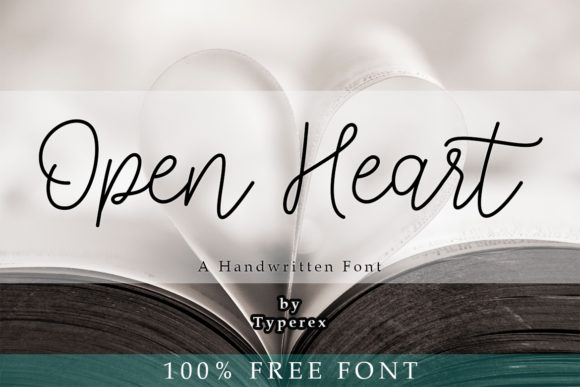
Open Heart Font for Charming and Elegant Handwritten Designs
As a web designer who also dabbles in creating digital printables and branding materials for small handmade shops, I’m always on the lookout for fonts that balance beauty with usability. Recently, I had the chance to work with the Open Heart font, and it quickly became one of my go-to choices for clients needing something both charming and elegant. This handwritten-style typeface feels like it was crafted with intention — every stroke, every flourish adds warmth and personality without veering into unreadable territory. If you’re designing wedding invitations, greeting cards, or even simple boutique tags, Open Heart is a must-try.
Open Heart for Wedding Invitations and Elegant Branding
I first tested Open Heart on a set of mockup wedding invitations for a client planning a rustic-chic outdoor ceremony. The font’s delicate curves and soft serifs gave the design an air of romance and sincerity, perfectly complementing the natural elements of their theme. It wasn’t too ornate to feel overwhelming, but just enough to stand out as special. When paired with a clean sans serif font for addresses and details, it created a harmonious contrast that elevated the overall look. As a Fonts lover, I appreciate how this typeface brings a personal touch to formal designs, making them feel more intimate.
How Open Heart Enhances Shop Branding and Product Packaging
A few weeks later, I used Open Heart for product packaging mockups for a new line of soy candles. The labels needed to be readable at a glance but still convey the artisanal quality of the products. Open Heart did exactly that. Its slightly irregular spacing and natural flow made the candle names feel hand-picked rather than machine-generated. Customers can tell when something is thoughtfully designed, and using this Freebies font added a subtle layer of authenticity to the brand identity.
For those working with physical products like jars, boxes, or tags, I recommend using Open Heart for short phrases or titles. Long paragraphs in such a decorative style may become difficult to read, especially in smaller sizes. But for branding headers, taglines, and packaging accents, it’s a dream come true.
Using Open Heart in Greeting Cards and Thank You Notes
One of the most satisfying uses of Open Heart was in a series of thank you cards for a client’s seasonal gift shop. The card fronts featured short quotes and sentiments in the font, which gave them a warm, personalized feel. Unlike some other handwritten Fonts, Open Heart doesn’t have too much variation in letterforms — each character is clear and intentional, which makes it ideal for mass production or digital downloads where consistency matters.
When creating greeting cards or thank you notes, I always suggest testing the font size on real paper before finalizing a design. For printed cards, 14–18 pt is generally safe to ensure legibility while keeping the charm intact. And if you're selling digital printables, using Open Heart in your preview images can instantly make your templates feel more inviting and premium.
Open Heart for Seasonal Products and Farmhouse Signs
Another project I recently completed involved designing holiday tags and farmhouse-style wall art. The Open Heart font worked beautifully for both. On the tags, its gentle script added a festive yet grounded aesthetic. For the wall art, I layered it over a watercolor background and found that the font’s texture blended well without losing clarity. That kind of versatility is rare in a Fonts package, especially when you consider how many platforms these designs might end up on — from Etsy listings to social media ads.
When working with SVG-style designs for cutting machines like Cricut or Silhouette, I noticed that Open Heart handles well in medium to large sizes. However, for very tiny cuts or intricate patterns, you might want to stick with a simpler style. Always check the included weights and file formats to ensure compatibility with your tools. Many users overlook this step, but it can save you hours of frustration down the line.
Open Heart for Quotes, Wall Art, and Planner Pages
I’ve been experimenting with printable wall art lately, and Open Heart has become a favorite for motivational quotes and inspirational sayings. The font’s elegance gives the text a timeless feel, perfect for minimalist interiors or cozy nooks. In one case, I layered it over a muted linen texture, and the result was stunning — it felt like a piece someone would write by hand and frame.
For planner pages and bullet journal layouts, I find that using Open Heart sparingly works best. Too much of it can clutter the page, so I often reserve it for headings, titles, or decorative accents. Pairing it with a modern sans serif font keeps things balanced and functional. It’s a great way to add a creative twist without sacrificing usability, especially important when designing for productivity-focused audiences.
Font Pairing Tips for Open Heart and Other Styles
If you’re looking to build a cohesive visual system around Open Heart, here are a few Fonts pairing suggestions:
- Clean sans serif (like Montserrat or Lato) for body text and pricing information.
- Simple serif (such as Playfair Display or Merriweather) for headlines and logos where a bit more formality is needed.
- Script or bold display fonts for high-contrast statements or callouts.
These pairings help maintain readability while enhancing the emotional tone of the design. Just remember to keep your primary content legible and let Open Heart shine in the right places — usually as a title, accent, or signature.
Readability and Production Considerations for Makers
While Open Heart is undeniably beautiful, it's not the best choice for every situation. Because it's a handwritten-style Fonts, it lacks the uniformity of more structured typefaces. That means it might not be ideal for long blocks of text or technical instructions. I've seen it struggle in tiny product tags or dense label copy — the charm gets lost in the detail.
To avoid that, I recommend using Open Heart for display purposes only: names, short messages, brand slogans, or decorative elements. When designing for commercial use, always double-check the licensing terms to ensure you're allowed to sell physical products, digital printables, or merchandise with the font. It’s part of being a responsible maker and designer.
Open Heart in Digital Downloads and Merchandise Mockups
Many of my clients rely on digital downloads for passive income, and Open Heart has proven to be a strong asset there. I used it in a set of editable birthday invitation templates and received positive feedback from buyers who appreciated the font’s flexibility and charm. It added a level of sophistication that made the templates feel more premium, even though they were offered as Freebies.
On merchandise mockups — think mugs, shirts, and tote bags — the font performed well in larger sizes. The irregularity of the handwriting gives it a unique edge, but again, I’d caution against using it for anything that needs fine detail or legibility in tight spaces. For big, bold statements or embroidered patches, however, it’s perfect.
Final Thoughts on Open Heart and Creative Typography
After several months of using Open Heart across multiple projects, I can confidently say it’s a versatile and appealing addition to any designer’s toolkit. Whether you're working with wedding stationery, greeting cards, boutique tags, or digital assets, this Fonts option delivers a consistent level of charm and elegance that resonates with customers.
Its ability to enhance perceived quality and customer engagement is what sets it apart. A well-designed product listing with thoughtful typography can influence buyer decisions more than we realize. With Open Heart, you’re adding a voice to your visuals — one that feels genuine and heartfelt.
So if you're ready to bring a touch of personality to your next design project, give Open Heart a try. Test it on a candle label, a greeting card, or a digital template. You’ll likely find, like I did, that it fits seamlessly into the world of handmade and creative product design.